FindMe Tag
A search and rescue system for natural disasters.
Explore
UX/UI design for a professional dental workflow product currently on the market, shaped through research, testing, and design-system work.

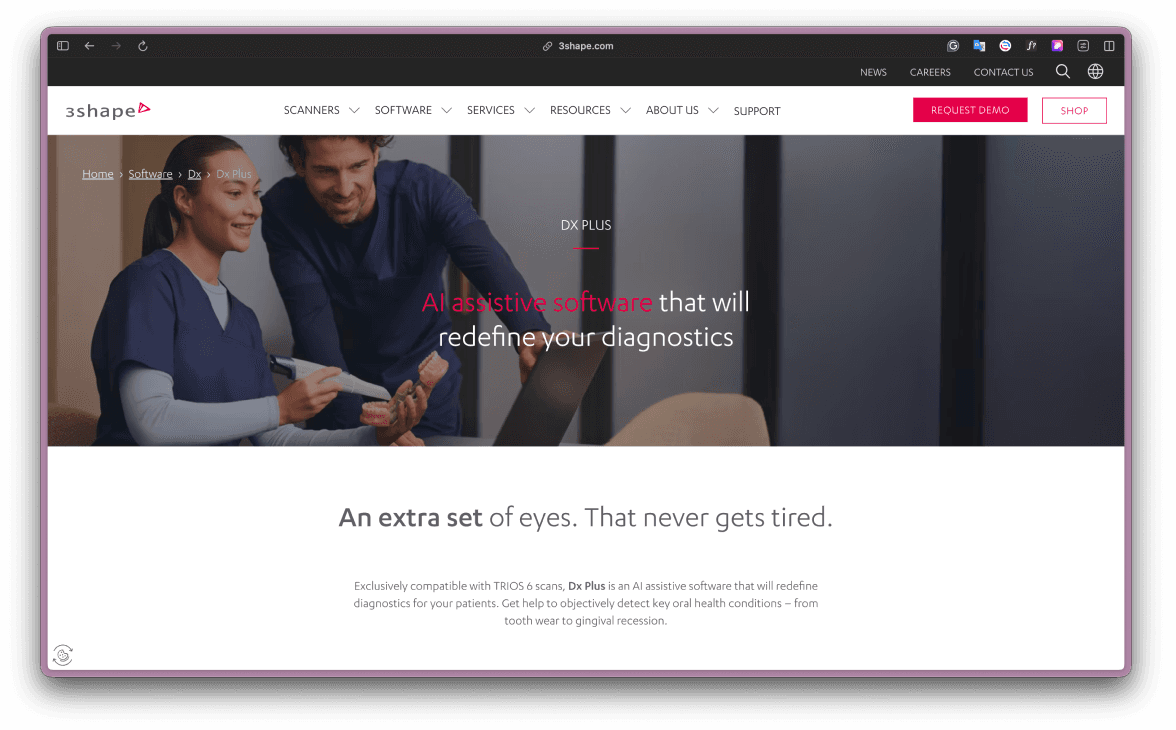
DX Plus is a software tool that helps dentists assess oral health using AI analysis of intraoral scans. It supports four core diagnostic areas: caries, tooth wear, gingival recession, and plaque.
The product has three working modes:
AI identifies conditions on the scan. The dentist inspects AI findings and builds the clinical picture.
Compare scans taken over time to see how a patient's oral health is changing.
Visualise findings in a way patients can understand, supporting the conversation in the chair.
The product launched in September 2025 to a selected group of clinics.
Dentists work in 20-minute appointments where every second of friction has a cost.
Introducing AI diagnostics into that environment isn't just a UX challenge, it's a trust challenge. Clinicians need to feel the tool supports their judgment, not replaces it. And patients need to feel confident about what they're being shown.
When I joined, the design space was still being defined. Patterns existed in adjacent areas like dental imaging AI, but not for the specific challenge of integrating AI diagnostics into a clinician's chairside workflow. The team had to build one together: management, developers, clinical researchers, and design working in close collaboration.
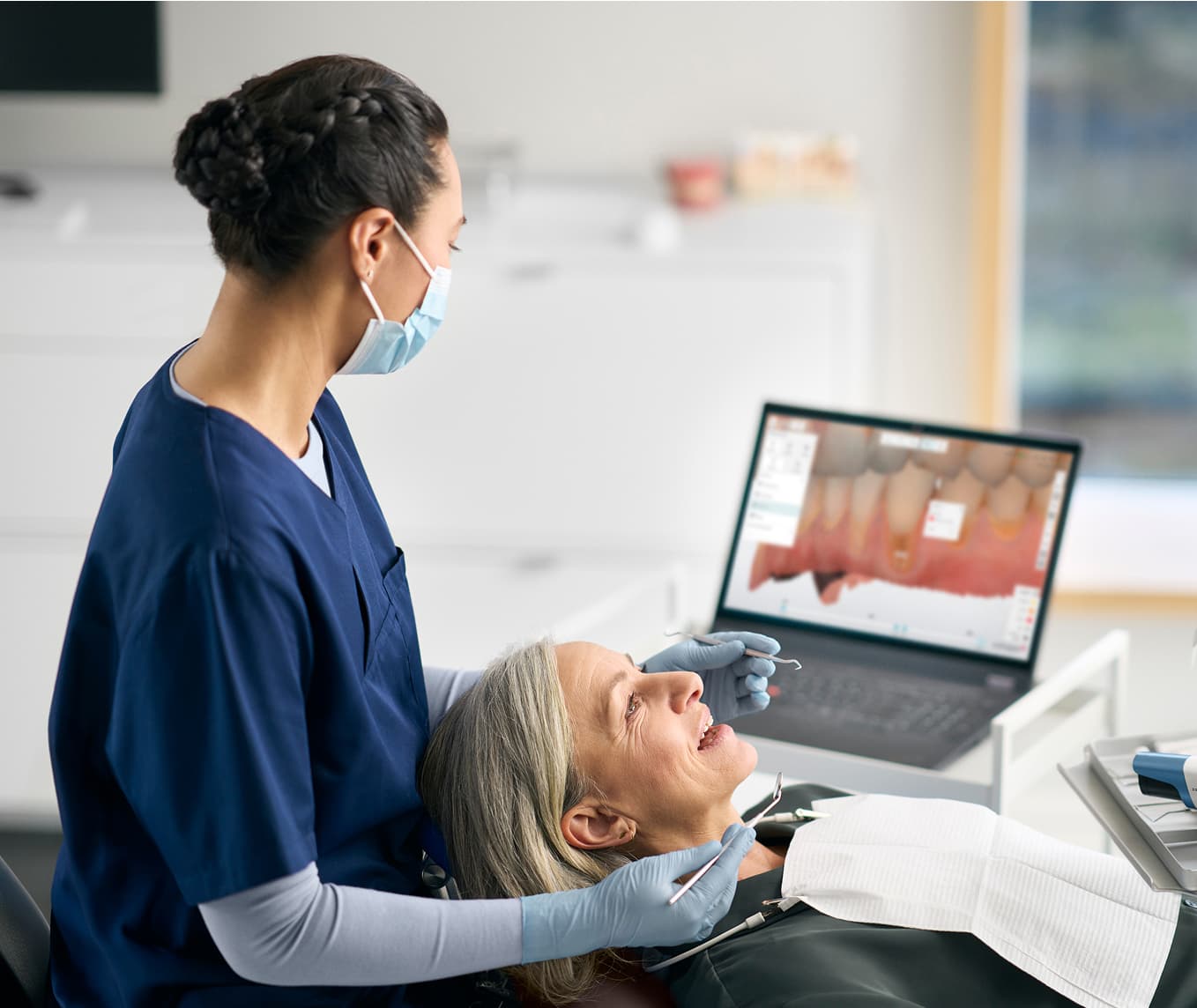
First, I'm not a dentist. Designing for expert users in a clinical domain means you can't rely on intuition. Domain knowledge gets earned through the work itself, interview after interview, over years.
Second, digital dentistry is heavily regulated, with rules that shift between markets. Every design decision had to account for what was permitted to ship, where, and under what conditions. Navigating those constraints without losing the design intent is a skill the work taught me.
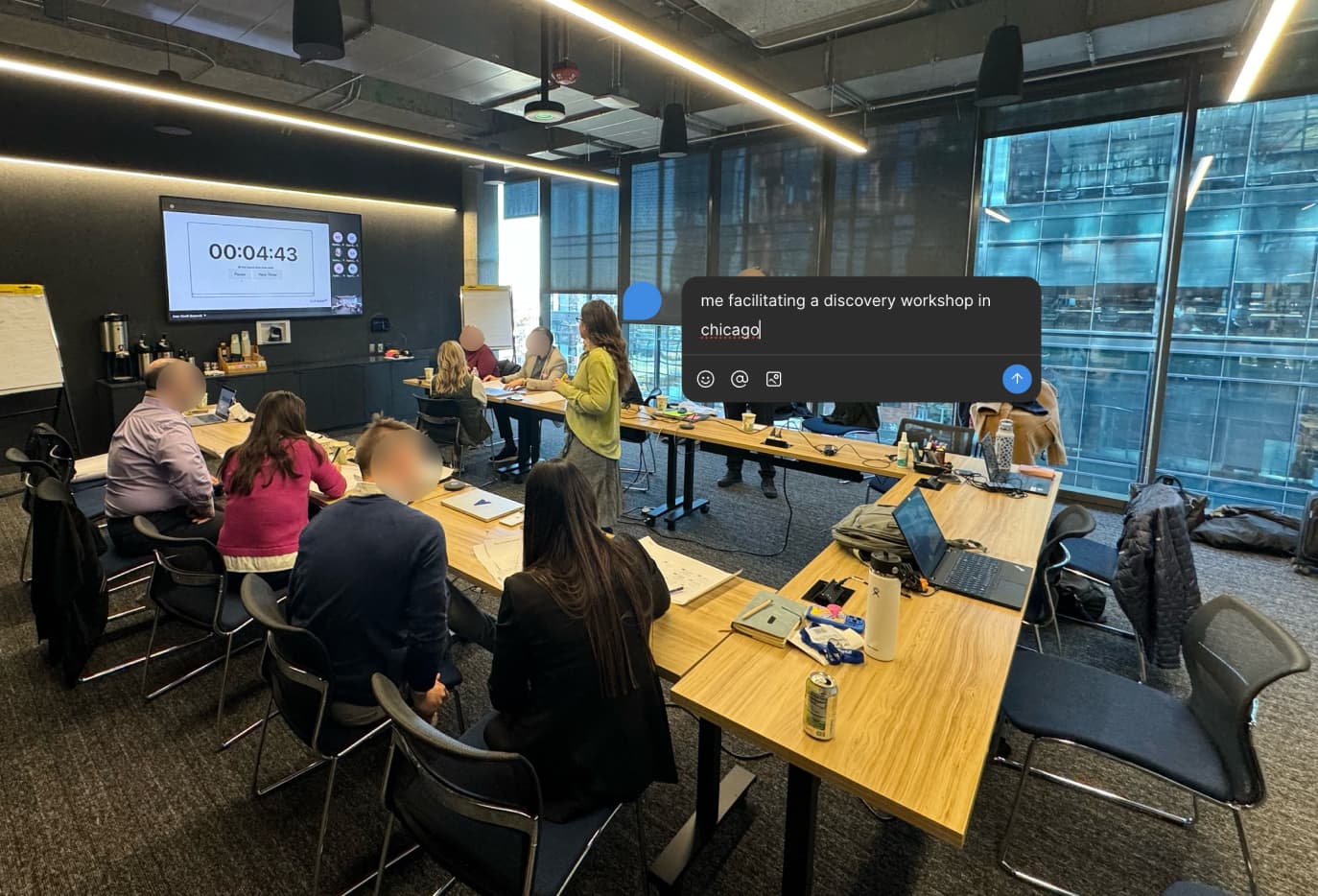
Working on DX Plus pushed me to develop a clearer point of view on what designing well for AI actually means.
Three principles emerged that ran through every decision:
Most AI products show you an answer. Good ones show you how sure they are. Confidence levels and uncertainty signals aren’t edge case features, they’re core to making AI output usable in a clinical context.
The AI suggests. The clinician decides. The interface should never feel like the clinician is rubber-stamping a decision the machine already made. This means the disagree path needs to be as easy as the agree path.
Even the best AI tool fails if it asks people to change how they work. The design challenge is making AI feel like a natural extension of clinical practice, not a replacement for it.
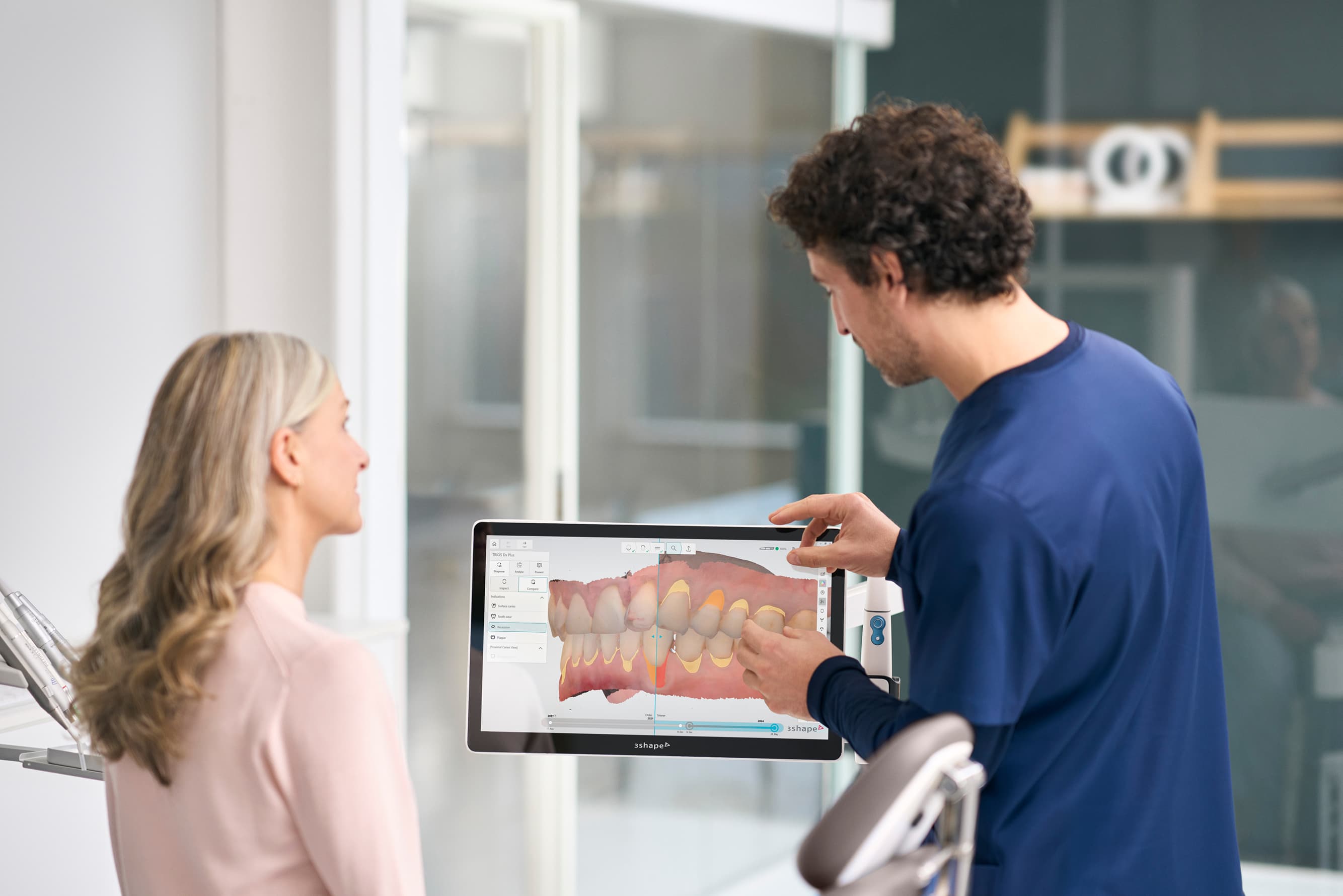
Dentists are highly trained specialists who exercise independent clinical judgment every day.
An AI diagnostic tool that presents itself as authoritative gets dismissed, not adopted. The risk isn't that clinicians defer too much to AI, it's that they stop using the product entirely if it doesn't respect their expertise.
We built explicit confidence signalling into the interface, giving dentists clear visibility into uncertainty levels and a frictionless path to disagree with AI suggestions. The interface respects the expertise of the person using it, which is the only way it earns the right to be there.
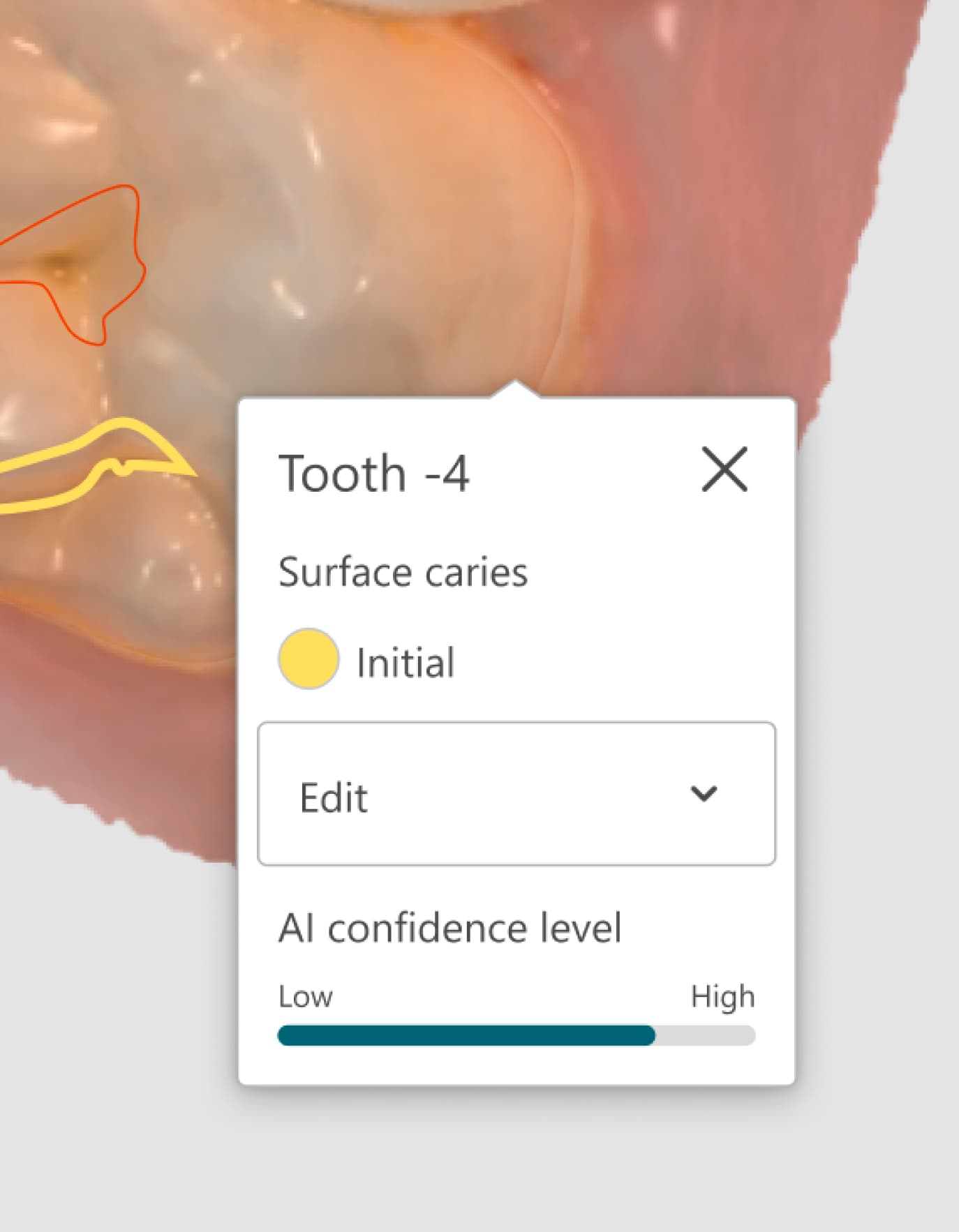
Adoption was the hardest problem on this product. Not feature quality, but getting clinicians to integrate AI into a workflow they'd relied on for years. AI products fail or succeed at adoption, not at capability.
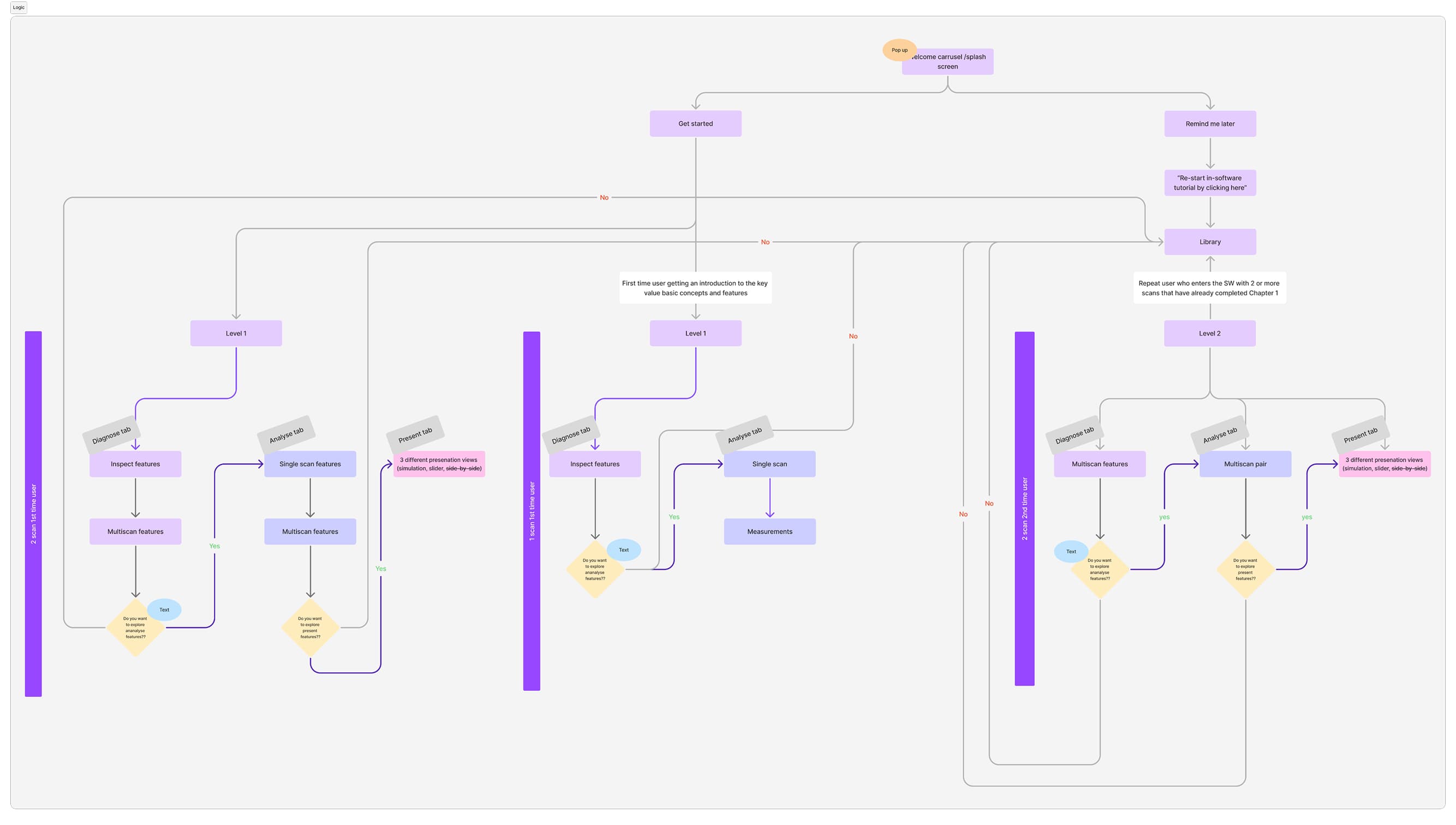
The interesting design problem was that there's no single “first time user” in clinical software. A dentist opening DX Plus for the first time might be looking at a single scan or a series of scans of the same patient. They might be exploring one feature or several. Each scenario needs a different introduction.
The onboarding had to be contextual: detecting the user's situation and guiding them through only the features relevant to what was on screen, in the order that made sense for their case. A dentist with a single scan got a different journey than one with three scans of the same patient over time. The complexity was less about visual design and more about logic and information architecture: what to show, when, and to whom.
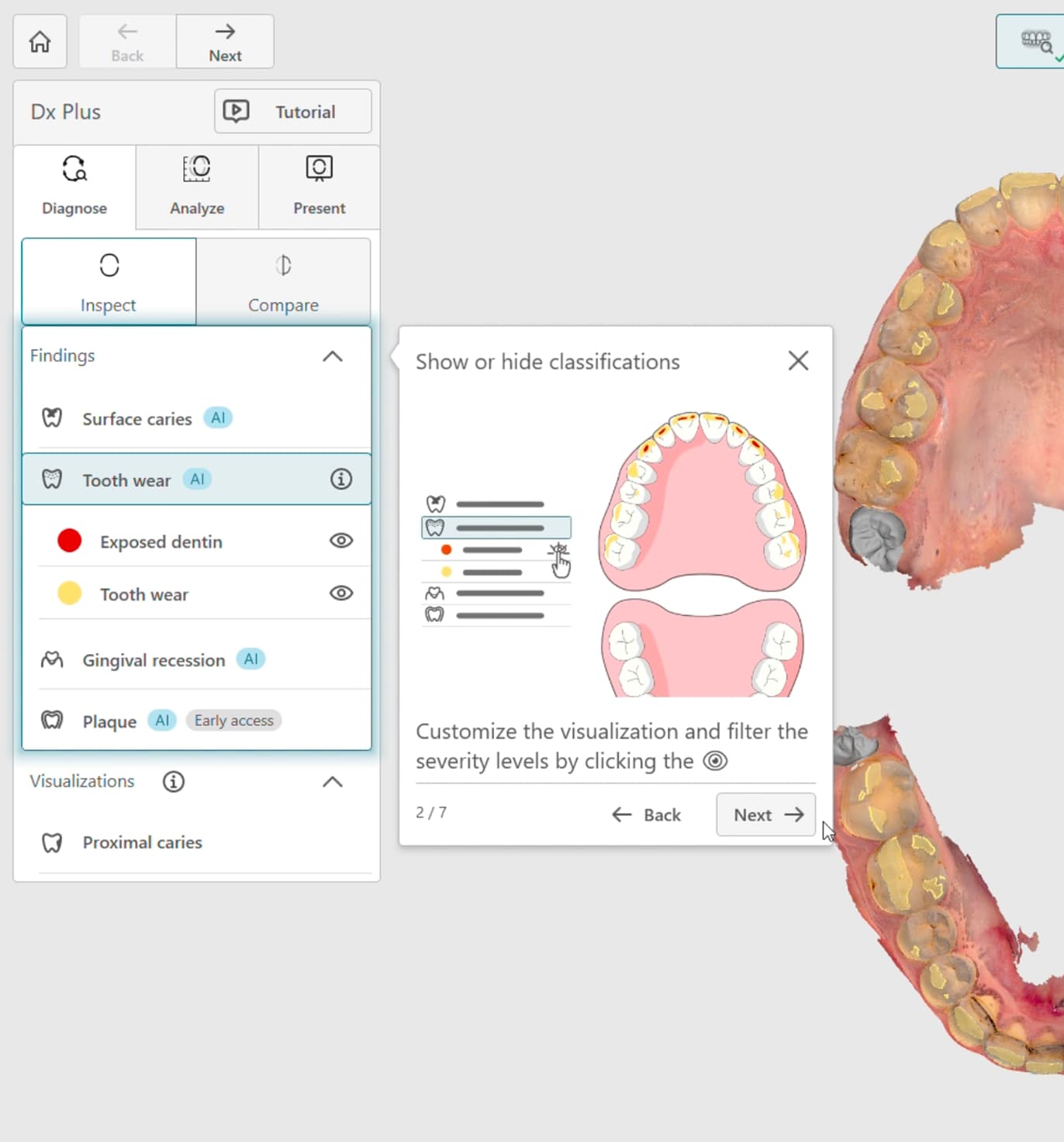
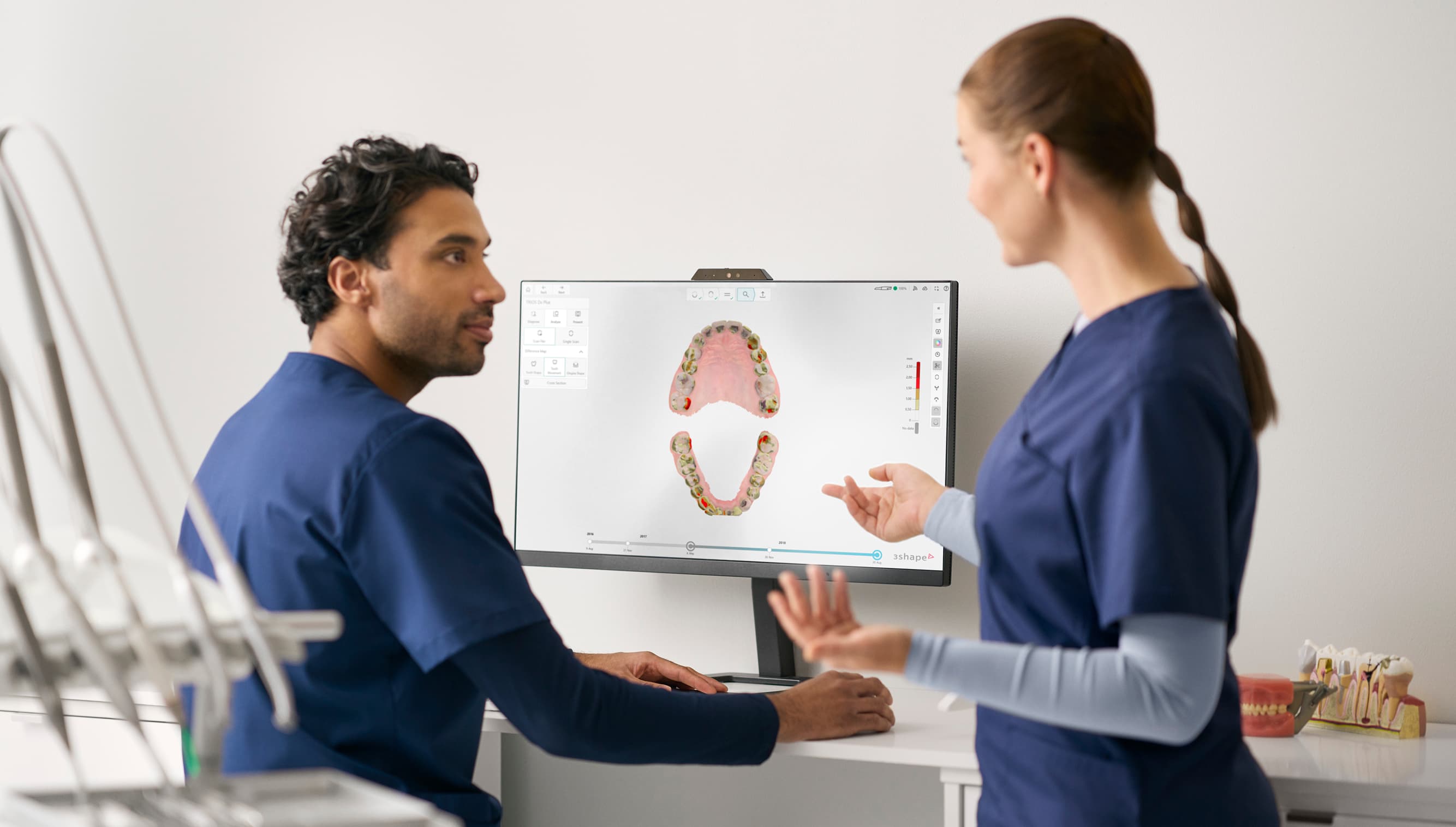
TRIOS DX launched in September 2025 to a selected group of clinics. The product helps dentists assess oral health using AI analysis of intraoral scans, supporting the diagnosis of caries, tooth wear, gingival recession, and plaque.
It works in three modes.
In Diagnose, the AI inspects a scan and flags conditions for the dentist to review. Each finding can be accepted, reclassified, or dismissed. A timeline view shows how oral health has evolved across the patient's visits.
In Analyze, two scans of the same patient are compared side by side, with a difference map showing where teeth or gingiva have changed and by how much. Measurement tools support quantitative assessment.
In Present, the same data becomes a communication tool, designed to make findings legible to the patient sitting in the chair through visualisations, side by side comparisons, and simulation views.
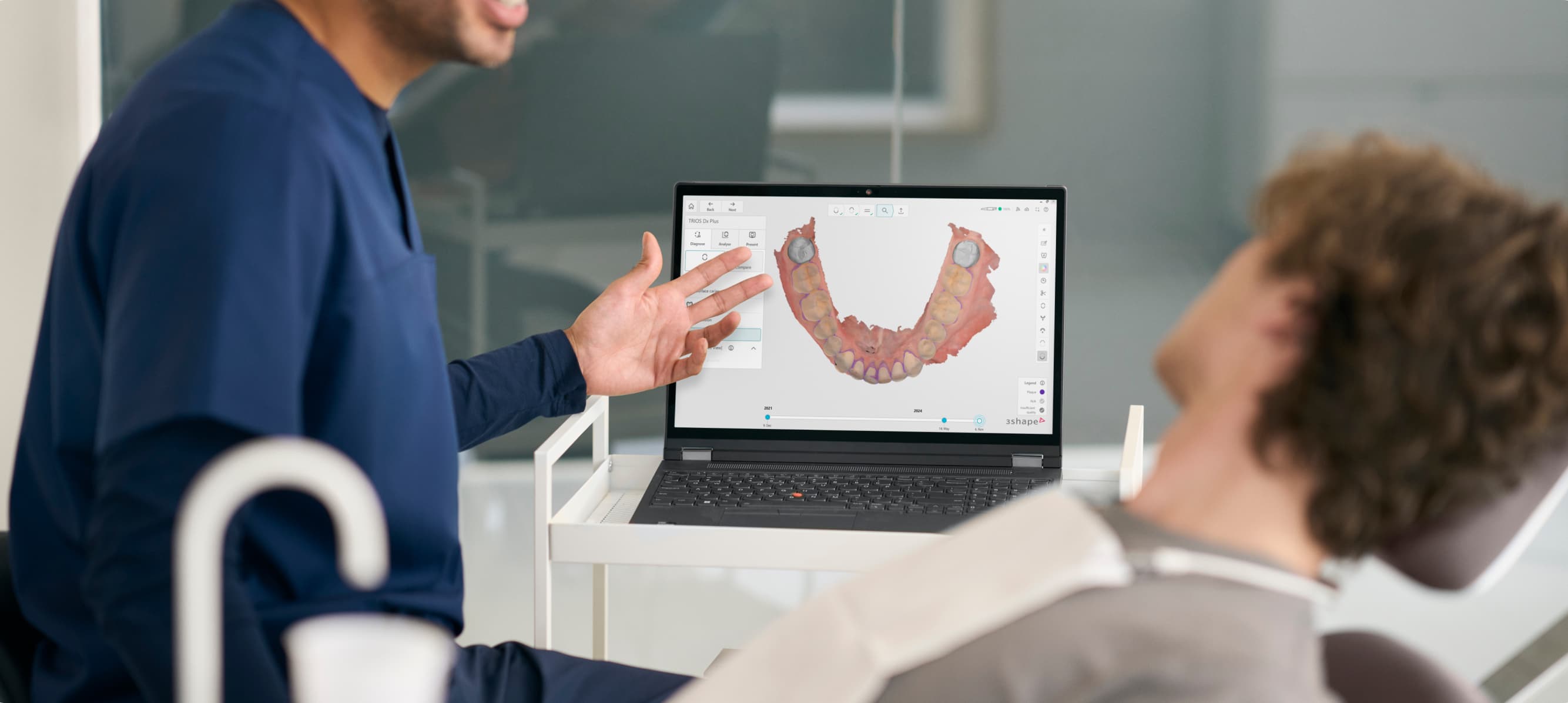
Diagnostic reasoning is tied to professional judgment, clinical responsibility, and habits built over years of practice. For most dentists, integrating AI into how they assess a patient isn't just a technical shift. It's a behavioural one.
The space the product sits in is moving fast. AI is being adopted across dental workflows, particularly in imaging and case management. But chairside diagnostic decision support is still new territory.
Early signals suggest the visual overlays and longitudinal comparison tools are landing well, particularly for patient communication. Showing a patient how their teeth or gingiva have changed over time is something dentists couldn't do as clearly before, and it opens up different conversations about preventive care.
Enter the password to continue.